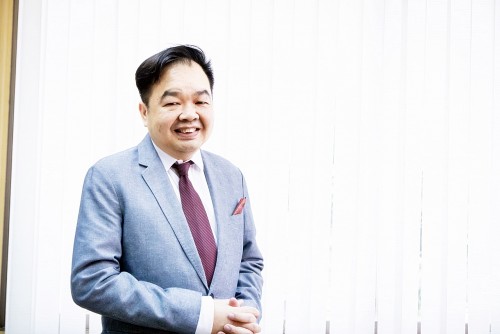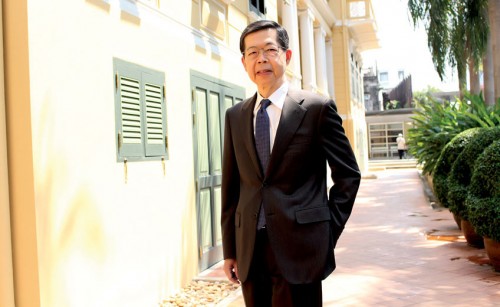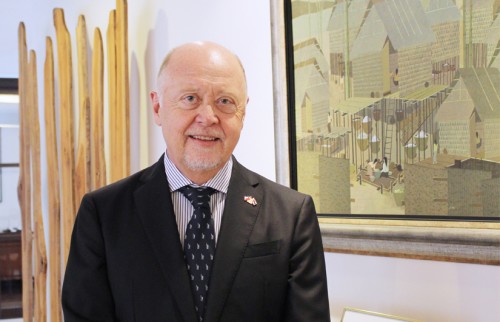


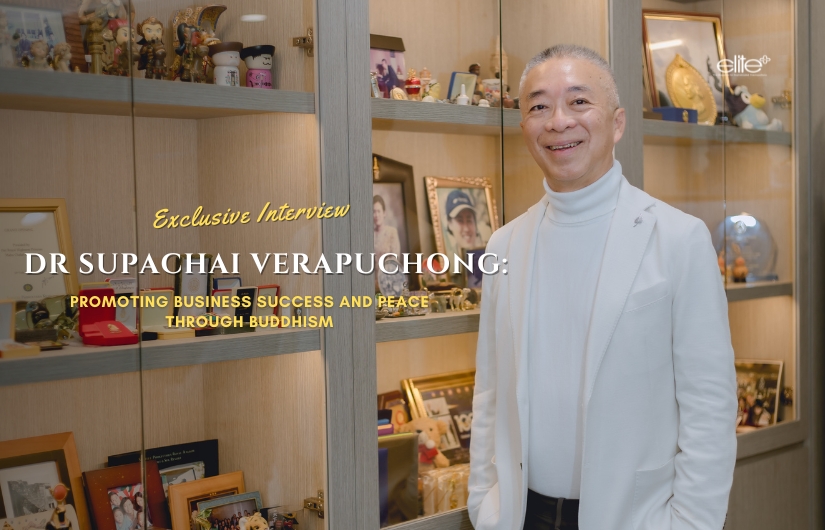
Dr Supachai Verapuchong: Promoting Business Success and Peace Through Buddhism
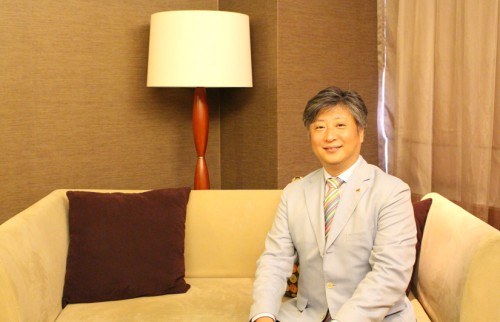
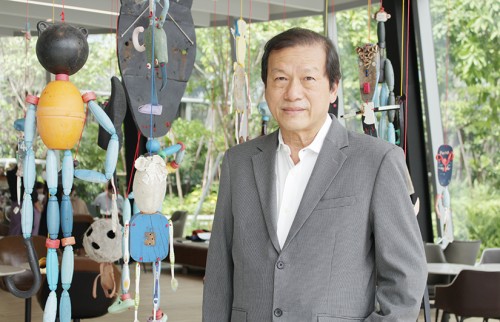
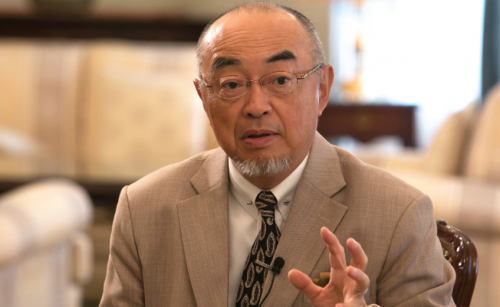
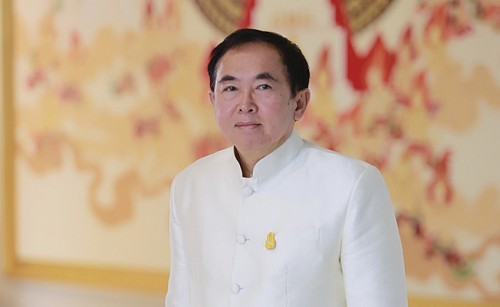
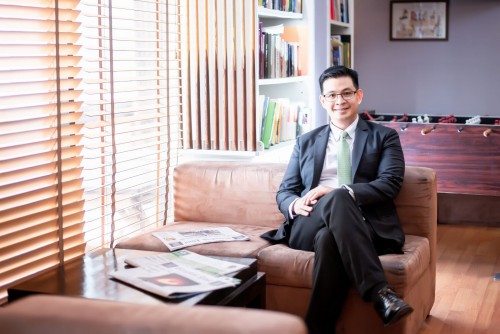
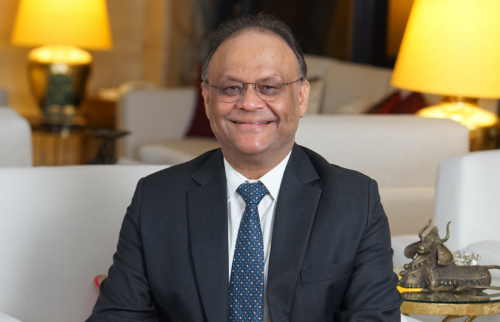
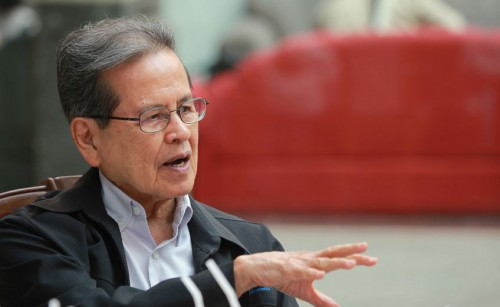
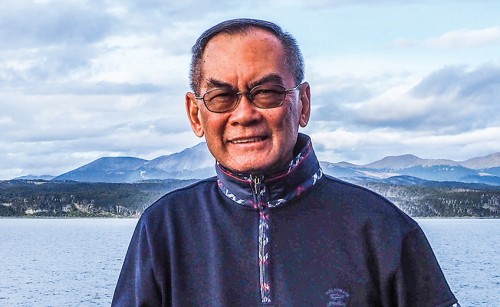
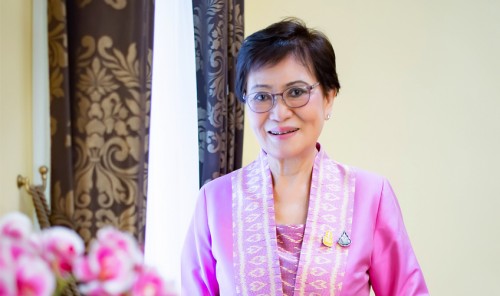
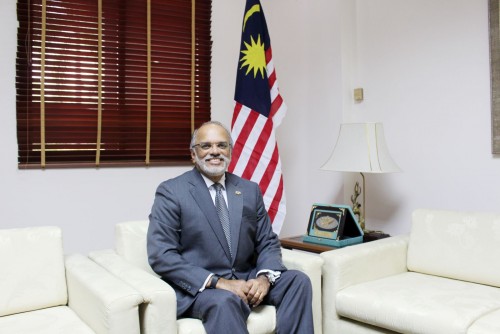
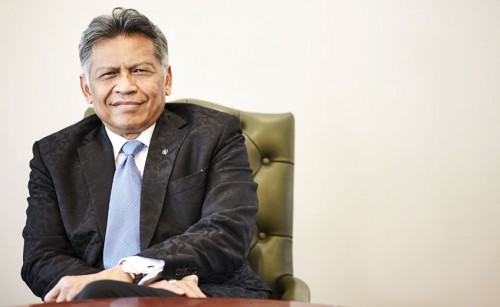
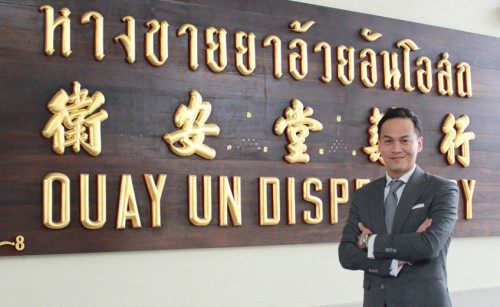
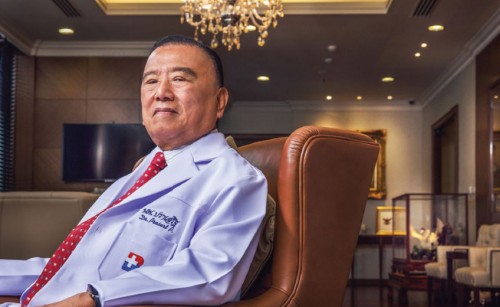
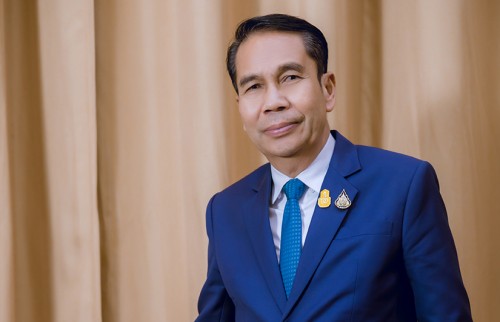
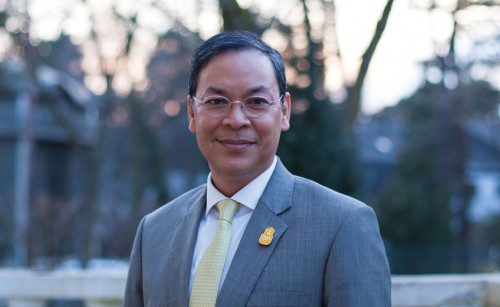
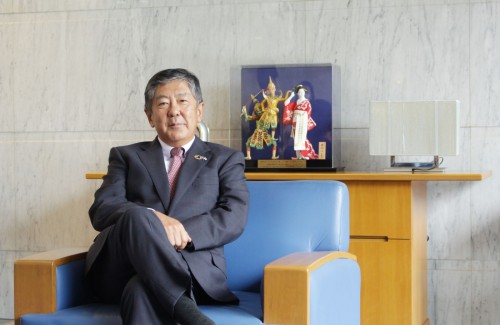
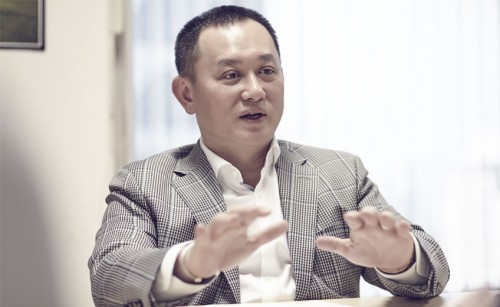
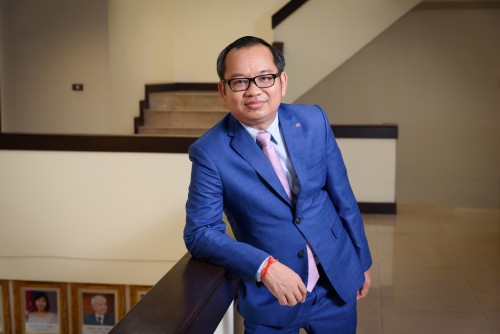
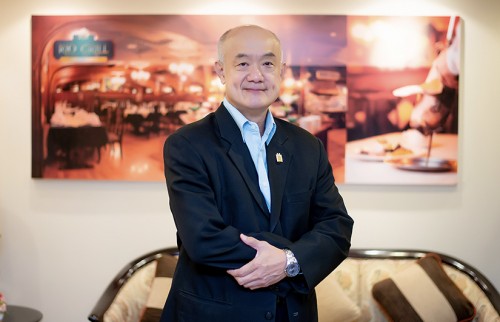
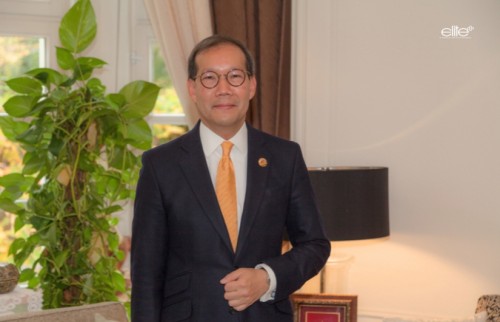
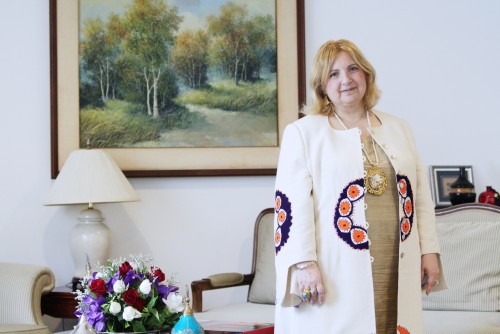
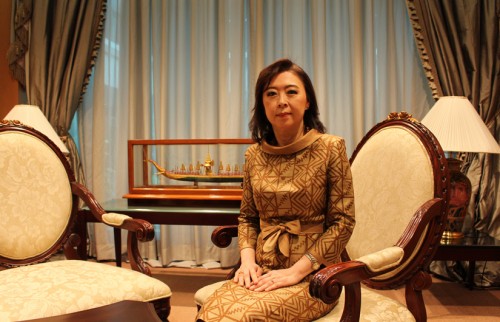
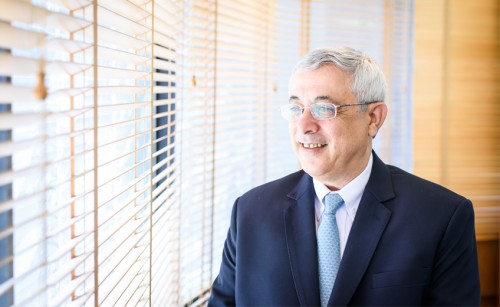
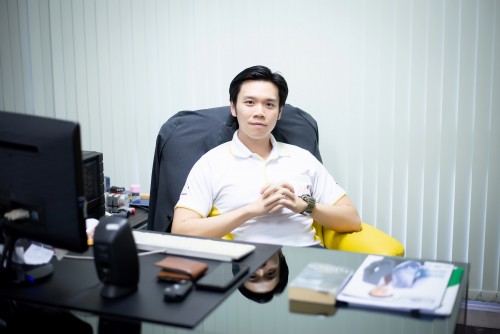
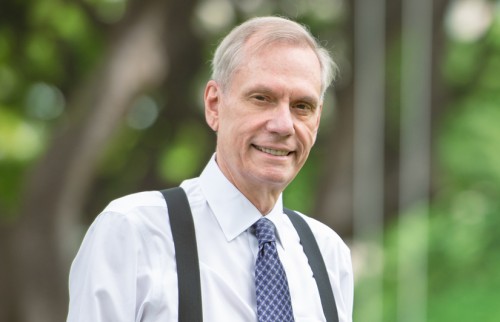
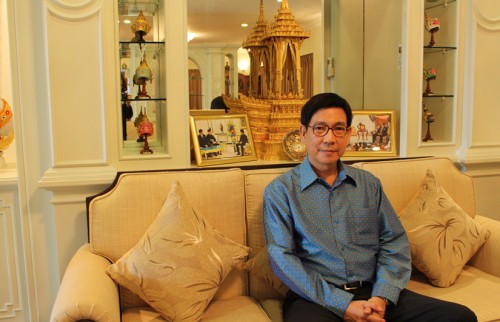
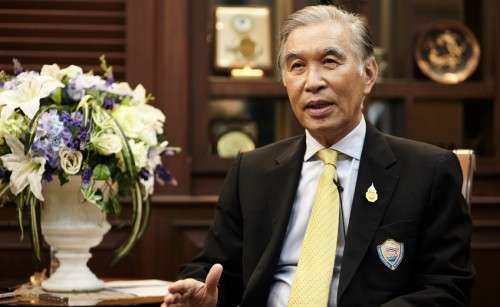
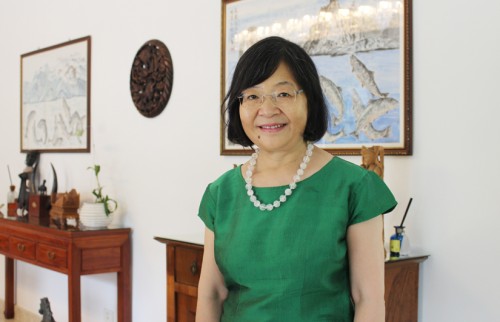
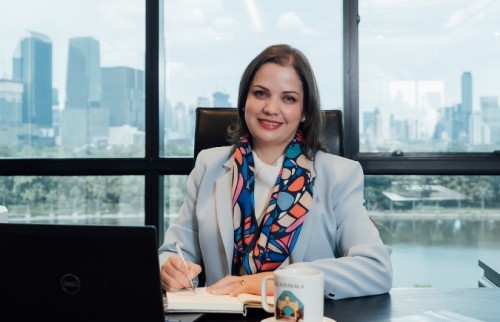
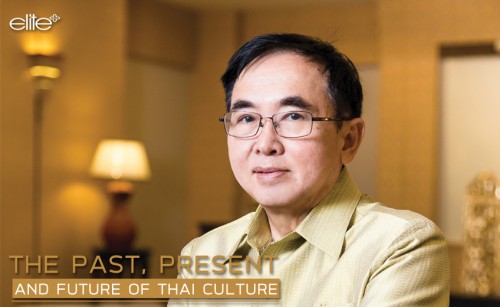
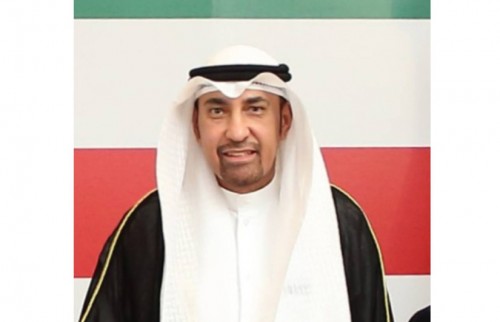
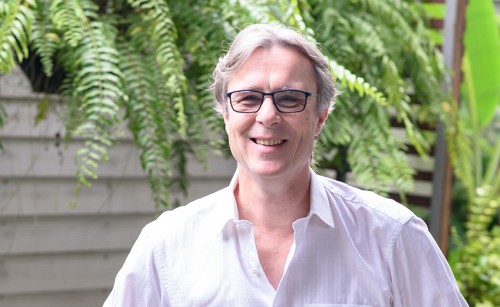
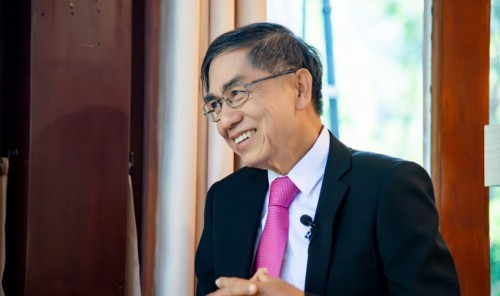
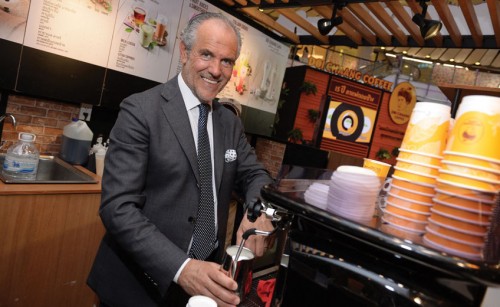
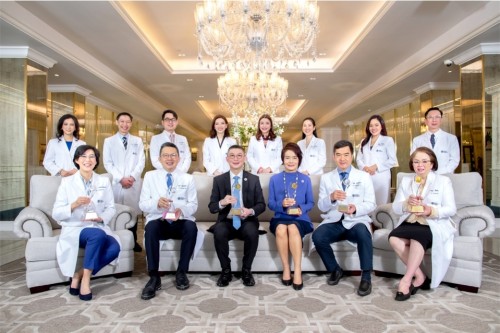
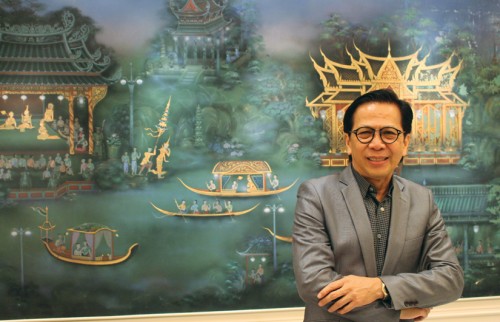
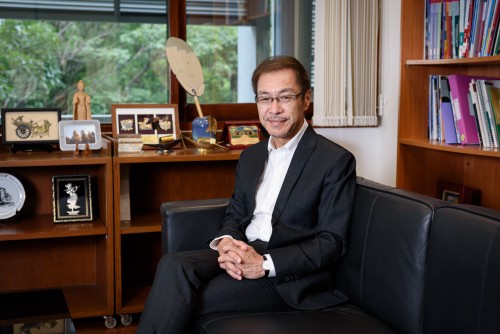
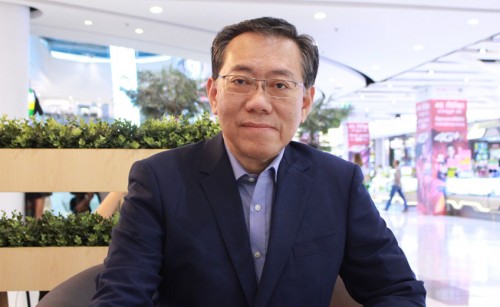
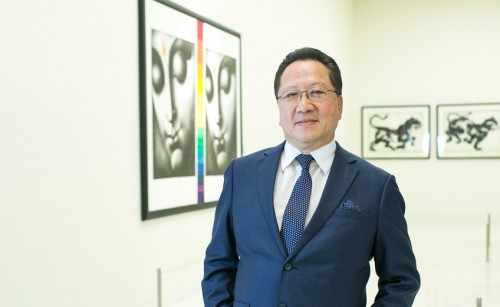
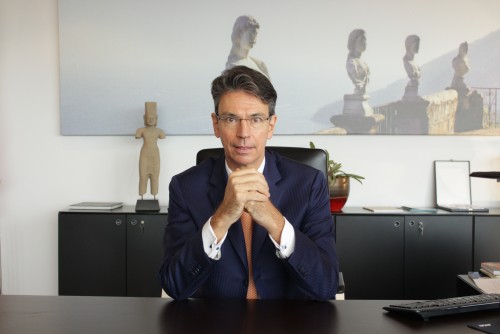
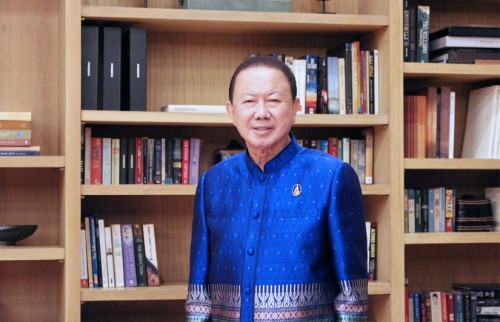
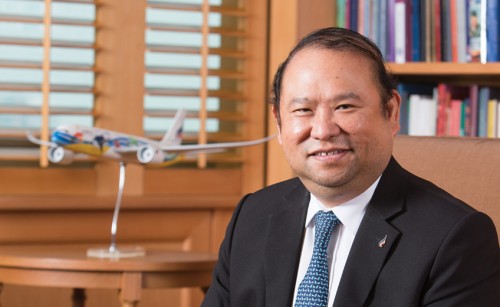
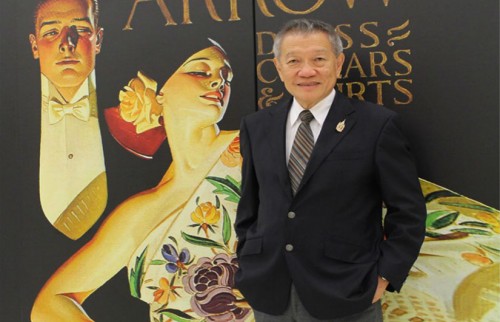
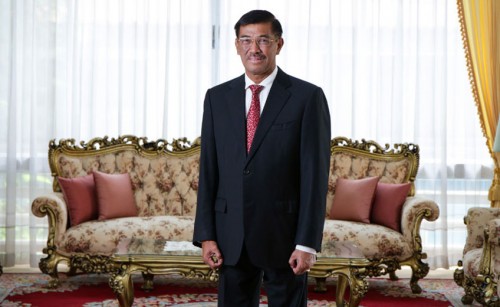
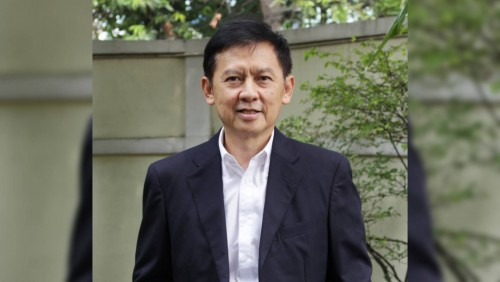
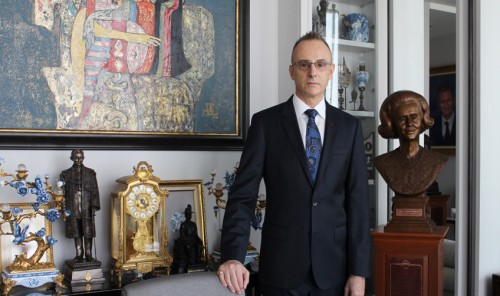
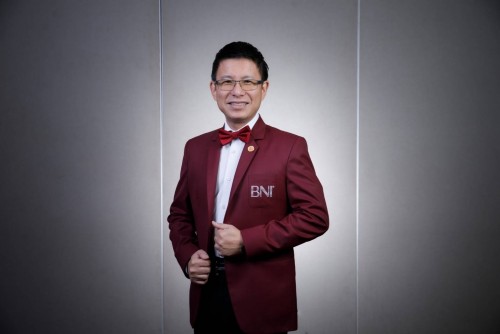
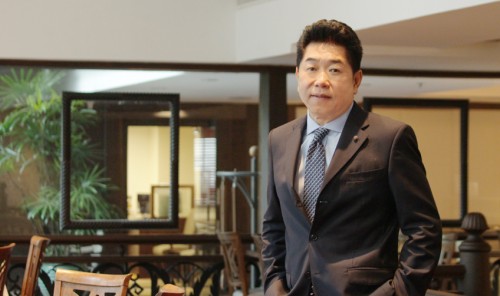
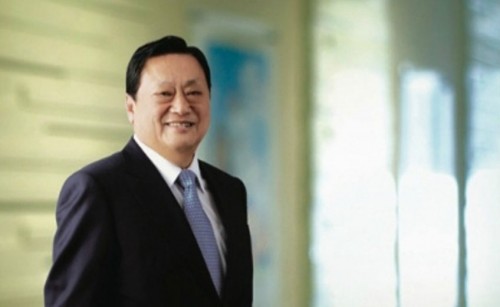
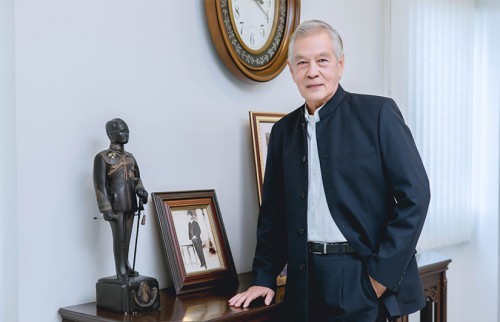
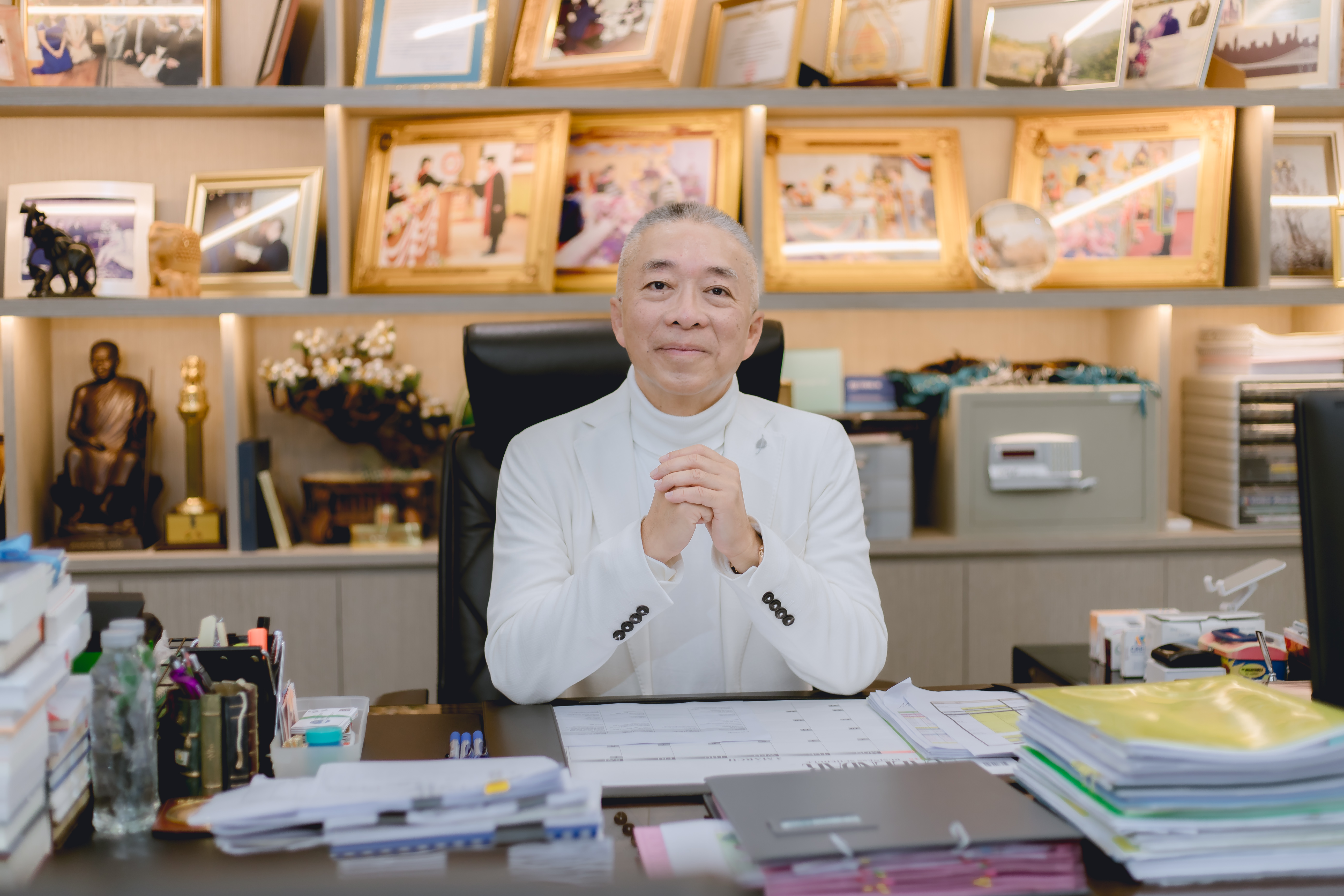
Dr Supachai Verapuchong is a businessman who has succeeded on many fronts. He is the Deputy Managing Director of Thai Nakorn Patana Co, Ltd, his family’s core business, producing and distributing pharmaceuticals under the brands Tiffy, Sara, and Antasil. At the same time, he is the founder and leader of a number of businesses in Thailand and neighbouring countries, including Cambodia, Laos, Myanmar and Vietnam.
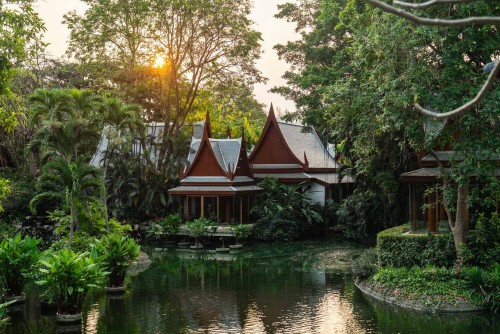
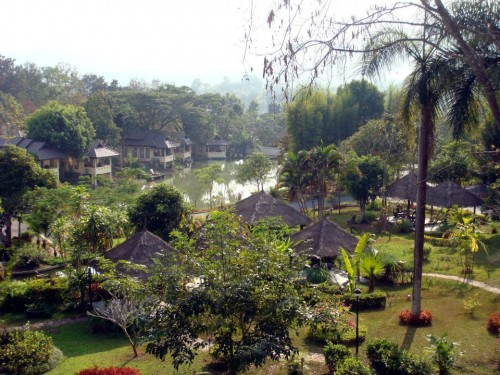
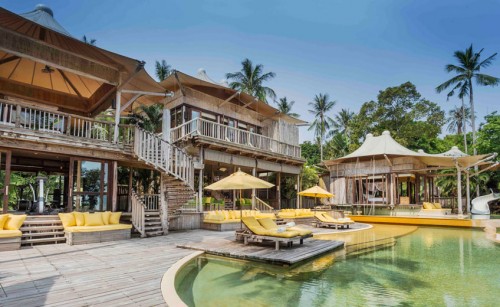
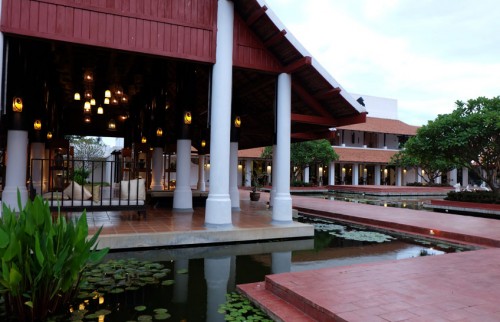
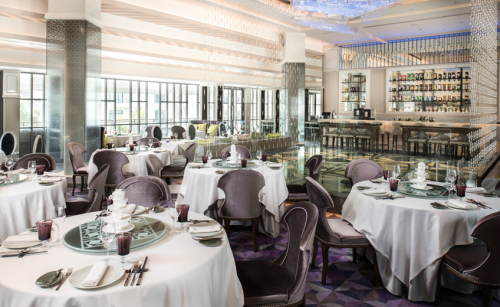
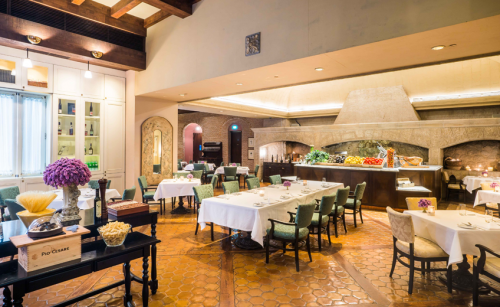
Dr Suphachai has long been active in the hotel sector, having opened the Sofitel Krabi Phokeethra Golf & Spa Resort in Krabi province and Novotel Phuket City Phokeethra in Phuket. At the end of 2026, he will inaugurate the Sofitel Khao Yai, which is currently under construction. This project encompasses an area of approximately 100 rai and includes 65 pool villas, each measuring approximately 200 square metres.
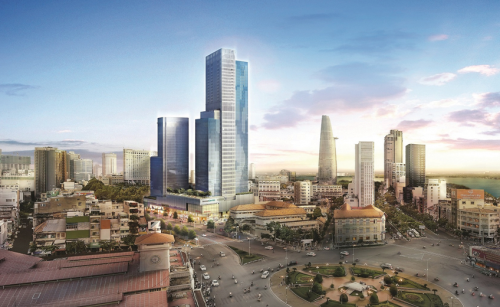
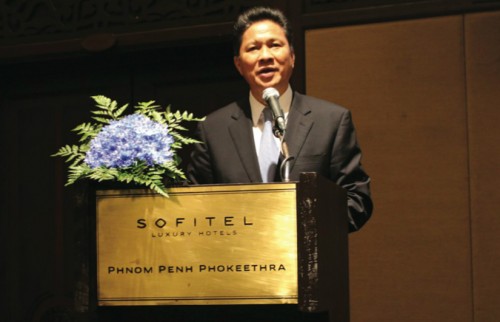
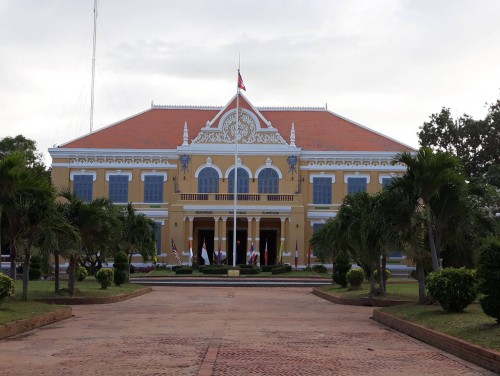
In Cambodia, Dr Suphachai has opened Sofitel Phnom Penh Phokeethra Hotel in Phnom Penh and the Sofitel Angkor Phokeethra Golf & Spa Resort in Siem Reap province. He has also invested in drinking water and ice factories as well as a number of other businesses, including logistics and media.
With the current Thai-Cambodian border crisis continuing since July of this year, these businesses have been significantly affected. However, Dr Supachai is aalso a devout Buddhist who incorporates his beliefs into both his professional and private life, which helps him face such challenges.
In India, Dr Supachai established the Bodhigayā Vijjālaya 980 Institute, which was responsible for the renovation of Wat Thai Buddhagaya. He was also instrumental in establishing the Dhammayatra Project of the Five Mekong Basin Countries, which was a series of Buddhist pilgrimages organised by the Bodhigaya Institute to unite Buddhists in
Cambodia, Laos, Myanmar, Thailand and Vietnam. To honour His Majesty King Rama X on the occasion of his 72nd birthday anniversary on 28 July 2024, Dr Supachai worked arduously to bring relics of the Lord Buddha and his chief disciples, Sariputta and Moggallana, from India. These were carried in processions to four provinces representing the regions of Thailand, namely Bangkok, Chiang Mai, Ubon Ratchathani and Krabi, between 22 February and 18 March 2024.
Thus, in our interview, which Dr Supachai was kind enough to grant us, we were curious to learn how his belief in "Morality leads to good business" and "Buddhism can transform the world" can bring about lasting peace and prosperity for all.
How have your businesses in Cambodia been affected since the start of the Thai-Cambodian border conflict?
The impact has been significant. I would say that Thai businesses as a whole in Cambodia have seen their sales drop by approximately 50% or more, some as high as 60-70%. This is because of Cambodians’ strong sense of nationalism, which has made many of them boycot Thai products and services.
For example, my hotels in Phnom Penh and Siem Reap used to have a lot of Cambodian businesspeople coming to hold seminars, meetings and weddings. Now, though, there are hardly any bookings for these types of events because they know that both hotels are Thai owned. However, luckily, most of our guests are foreign, which has helped these businesses survive. Other consumer and pharmaceutical businesses have been severely impacted because of the people’s patriotism, which is being promoted. Coupled with that, a group of businessmen and traders have joined to attack us through onlinemedia, which has led to significant losses.
This was especially true during the first four months, July through October, when there were violent clashes. Then, when the ceasefire agreement was reached between Thailand and Cambodia at the end of July followed by the Thai-Cambodian Peace Declaration signing in Malaysia, things seemed to be getting better. Now, though, with tensions again on the rise, who knows?
When a Thai soldier stepped on a landmine, causing his right foot to be amputated and three other soldiers were injured, the Thai government suspended the peace declaration. This has made me much more uneasy about solving the situation.
So, what will you do now?
From a business perspective, like I said, the situation is bad. But from a religious perspective, I am hopeful as I believe Buddhism can bring sustainable peace. It all depends on whether each country's leaders are keen to find a solution.
For me, I think nature has taught us well. When we are born, we come from nothing. When we die, we are left with nothing. The same is true in business. Therefore, when I encounter problems, I don't suffer. I understand birth and death. If everyone understands this, they will be able to overcome these kinds of challenges because of the law of the universe. Ultimately, it is anatta, the Buddhist doctrine of selflessness and impermanence, that should guide us.
That's why I want world leaders to understand these issues, and then the world can find peace. I believe that if we can make this clear to people all over the world, regardless of their religion or nationality, this will lead to a solution for humanity as a whole and world peace can be achieved.
Do you employ many Cambodians in your businesses?
Nearly 3,000 people, and about 90% of my employees have no problem working for a Thai business at all. The other 10% may have some nationalistic ideas, but they can be managed, even when some of their managers are Thai. Our companies all adhere to a corporate philosophy based on the phrase "Morality leads to good business”, and, for the most part, our employees now also believe in this credo. As for our hotel interests, most of the management and staff are British, French and Thai, as well as locals with knowledge and understanding of hotel management. So, we haven’t had any problems.
Where does the philosophy of Morality leading to good business come from?
“Morality leading to good business” is a philosophy that my father, Vinai Verapuchong, the founder of Thai Nakorn Patana Co, Ltd, conceived and established when he started the business. He, together with his relatives, founded a company called Nakorn Patana in 1977 and later changed the name to Thai Nakorn Phatana. And we continue to hold to this philosophy up to today. It reflects the organisation's business approach that adheres to the principles of morality based on right livelihood and right view, as laid down by my father.
Thai Nakorn Phatana has now entered a new era, growing from a domestic pharmaceutical manufacturer and distributor to become a large organisation, having expanded our base of operations into neighbouring countries. At the same time, we have branched out from the pharmaceutical business into various other sectors, now with a total of 15 subsidiaries.
But one thing I am still determined to adhere to is following the example my father set, especially in applying the principles of Dhamma in my life and business, which has brought joy to me and my family. It also leads to business success, which at first glance seems easy, but, in reality, is very difficult to implement. Therefore, this is not only an example for the general public, but also a great lesson in life and business for Buddhists.
Does the company apply Dhamma in its management?
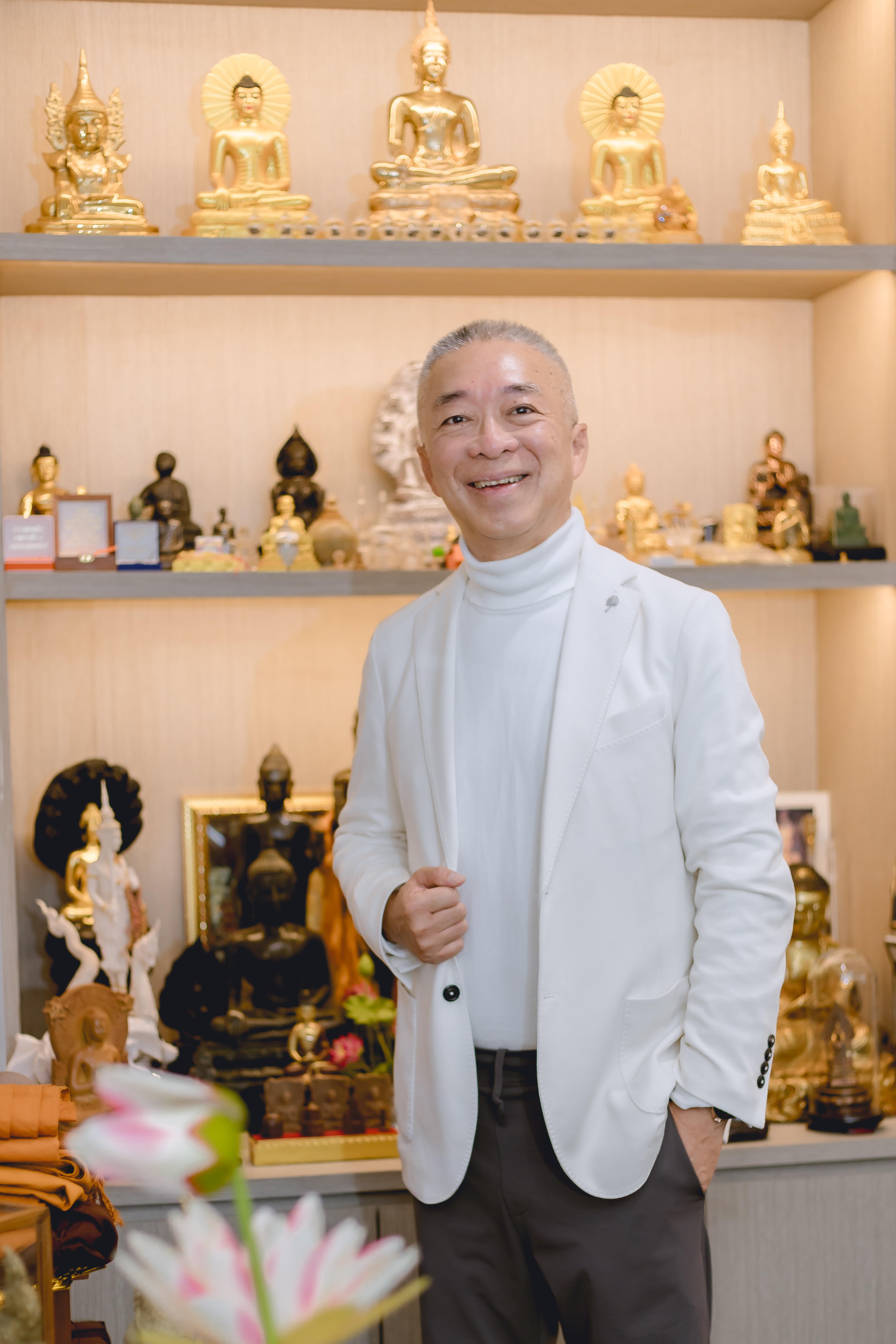
Yes, Thai Nakorn Patana's business practices are guided by the teachings of the Lord Buddha. It can be said that our business is based on the principles of Dhamma. Although we admit that we still have greed, we work to keep it moderate and sufficient according to the principles of the seven Sappurisa Dhamma, which means knowing cause, effect, oneself, what is moderation, the appropriate time, community and the people.
Therefore, doing business based on the middle path, or Dhamma, will bring both money and merit, which I believe is the path that every millionaire or businessman should follow. If a person can do this, I believe they can conquer two worlds: the material world and the spiritual world.
Today's millionaires only look at material things, only tangible objects such as money and power, property, buildings, department stores, hotels and land. They forget that nothing can be taken with them when they die. All that’s left for them is the abstract.
Can Dhamma solve business problems?
Sure… although many people may question how to solve problems using Buddhist principles. The Buddha first taught that we must fight with all our might. It may be necessary to analyse a problem and then find an answer, but it is important to quickly adjust and settle down, not dwell on the past or your failures.
The Buddha said that the past is gone and cannot be changed. We must learn from the past and live in the present. If I fail, I must first think about what I can do to change this. I may have already been cheated, made a mistake, made a wrong decision or done something stupid. But one must remember we are not always smart, we make mistakes, but then we can get back on track. We need to live in the present and fix the problem we are facing at the moment.
Each person's solution to a problem is different. It depends on their readiness and potential. For example, if we start a business and have no reserve funds, the business could fail. If there is nothing left, then we must give up because there is no other way out. It is better than borrowing more money, which may lead to even a bigger failure.
How do ordinary people who do not understand the principles of Dhamma solve problems?
Problem solving must not be based on time constraints because time constraints will kill us. For example, if we fail, we must solve this problem within two years. If we cannot do this within two years, we will experience the five hindrances in Buddhism, sensual desire; ill will; sloth and torpor; restlessness and worry; and doubt, and we will become distracted and fail and suffer from depression. These emotions will prevent mindfulness.Therefore, we must solve any problem withmindfulness. However, the current global situation is no longer conducive for this because we are living in the midst of global uncertainty, natural disasters and all kinds of exploitation.
So, don't expect too much. Think of your current work based on sufficiency. Give it your all. If you give it your all and fail, the answer is not to suffer. Restart. There is no other way out because if we fight and our abilities and intelligence cannot solve the problem, we must accept what arises, exists and ceases. Don't suffer over it.
I believe that we must quickly establish a new foundation based on the Five Powers, Four Bases of Power, Seven Virtues of a Good Person and Compassion because these are at the core of doing good business. However, our faith must be strong. If faith is not strong, concentration will not be strong When concentration is not strong, wisdom will be limited, and actually, wisdom doesn’t have the power to solve problems. It depends on faith, merit, experience, practice and learning.
Could you tell us about bringing the relics of the Lord Buddha and his disciples, Sariputta and Moggallana, from India to be temporarily enshrined in Thailand?
It all started when I was invited by the India Foundation to attend the “7th International Dharma Conference: Eastern Humanity for the New Era” at the Kushabhau Thakre International Convention Centre in Bhopal, the capital of Madhya Pradesh, India, in early 2023, together with Maris Sengiampong,former Minister of Foreign Affairs and the Deputy Secretary-General of the Bodhigayā Vijjālaya 980 Institute.
I was invited to be a keynote speaker on “The Principles of Dhamma and Concepts and Approaches for Propagating Buddhism” at the Bodhigayā Institute. After presenting the concept connecting Buddhists in the Suvarnabhumi region, often thought of as the Southeast Asian Peninsula, the Bodhigayā Institute organized the project known as the "Buddhist Transformation of Suvarnabhumi, Buddhist Transformation of the World", which aimed to expand and use religious dimensions to connect Asian nations and the world.
The meeting received widespread interest, including from Indian government agencies, as the approach is in line with the “Century of Asia” policy of Prime Minister Narendra Modi, which focuses on using Buddhism to unite Asian countries. This then led to the cooperation between the Bodhigayā Institute and Indian Embassy in Thailand to use the teachings of the Lord Buddha as a medium to connect people.
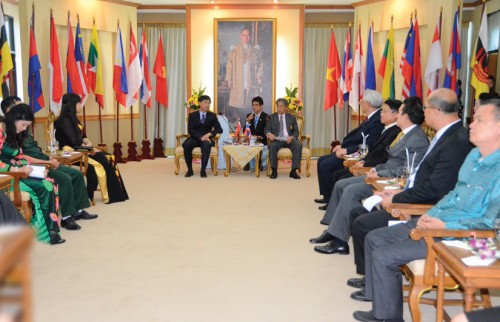
The Indian government then proposed a project to organise a procession of the relics of the Lord Buddha and Arahants Sariputta and Moggallana during which time the Bodhigayā Institute would organise the Dhammayatra project. I then coordinated discussions with Thai agencies and Thai Buddhist Sangha leaders, which eventually led to this auspicious event.
Such coordination couldn’t have been easy…
It was not easy; there were many details that had to be considered and worked out. But with the power of the Buddha and my strong faith in Buddhism, I was convinced from the beginning that bringing the relics of the Lord Buddha and his disciples to Thailand was possible.
Therefore, when everything went as planned, I felt more than just pride, I felt great joy and faith during the journey because of my contact with the relics. I had a profound feeling of being connected with all Buddhists, monks, nuns and lay persons, specially all those who joined the procession to honour His Majesty.
I, myself, joined every procession where the relics went during the 28 days. I dare say that I am probably the only person who followed the relics along the entire journey.

Now, I'd like to ask about your biography you’ve been working on.
In truth, I want to give something to society with this book, whether it's about my personal life, about building a business and my faith and beliefs. I want people to look at these different aspects of my life and how they are all interconnected.
More importantly, I want to give something to my children and grandchildren to keep as a record because I'm just an ordinary person, no one special. I was born and raised in the countryside, with no prior understanding of morality. But as I grew up, I ordained as Buddhist monk and began to study the Dhamma in depth. I saw how the Dhamma can guide our lives, our business and our actions regarding religion. I saw how Buddhism can transform the human world and help bring peace to the world.
Most importantly, I want to tell everyone that we can change ourselves, even if we have made mistakes. If we use Dhamma as our guide, we can achieve success in life. I believe that the various wars that have occurred in this world can lead to peace if leaders use Dhamma as a guide. However, leaders must first have faith, sincerity and trust; otherwise, peace will not come.